
Roger Küng
Head of Operations EnergyCuringRAHN AG

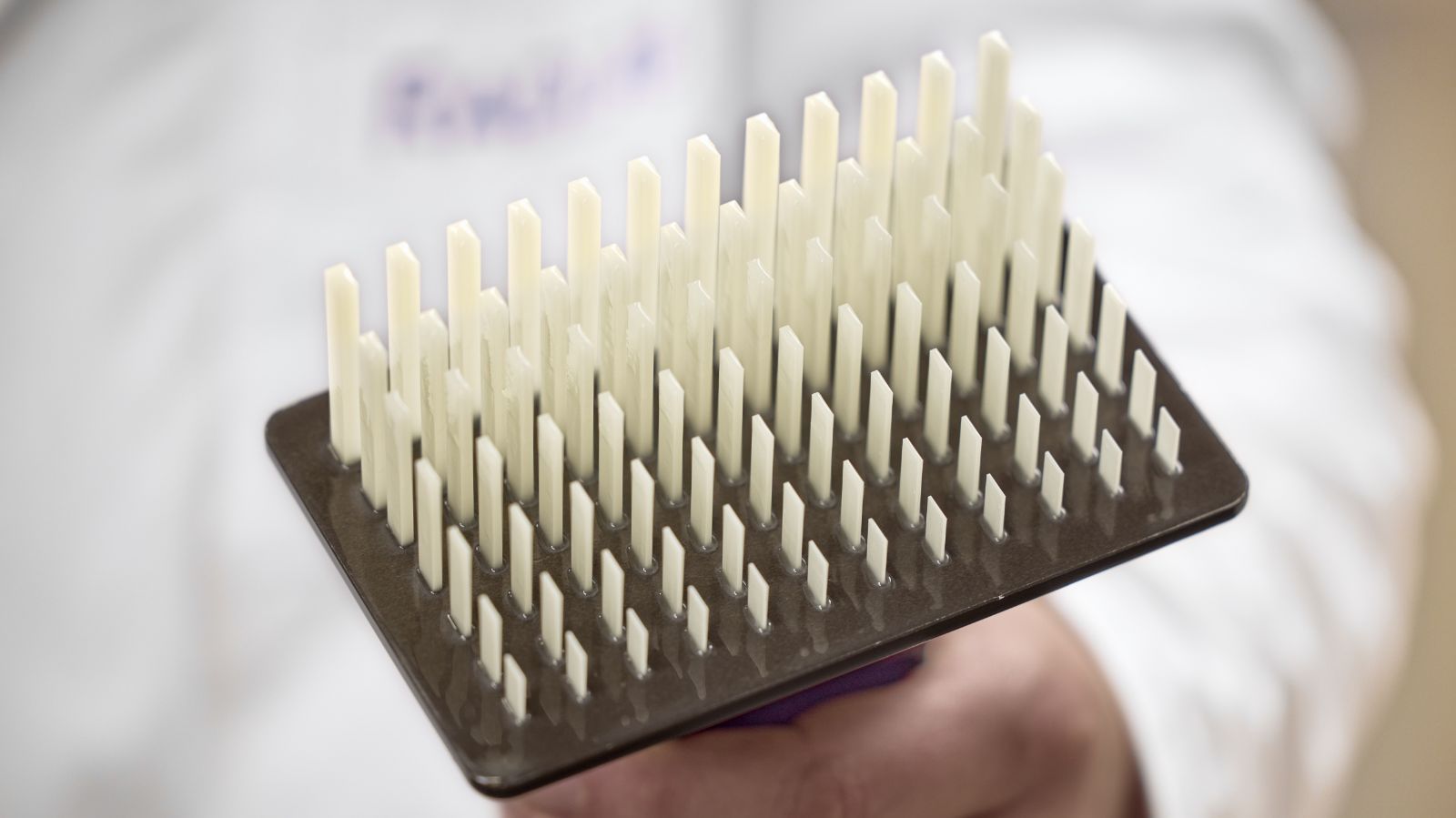
3D printing first layer is more than just another part of the process – it’s the foundation of everything that is printed after. A well-printed first layer ensures good adhesion to the build plate and minimizes issues such as warping or failed prints, while a poorly-constructed first layer accelerates these problems. Discover possible solutions to significantly reduce your 3D printing first layer problems.
The first layer is crucial in photopolymer-based 3D printing such as Stereolithography (SLA) or Digital Light Processing (DLP). In these processes, the first layer must adhere strongly to the build plate to prevent detachment during the print.
The first layer typically receives extra exposure time to ensure it bonds securely to the build plate and to create a stable base for the rest of the print.
Achieving a good first layer requires several factors:
If the first layer does not adhere properly, issues such as warping, detachment, or failed prints may occur.
Whether we talk about 3D printing in dentistry, automotive or wearable technology, 3D printing first layer issues remain a common challenge, ranging from adhesion problems to warping or lifting edges.
The following sections present the most common problems as well as possible solutions.
When the first layer does not adhere properly, prints may detach mid-process or fail entirely. This issue is often caused by an unlevelled build plate, insufficient exposure time, or contamination on the plate.
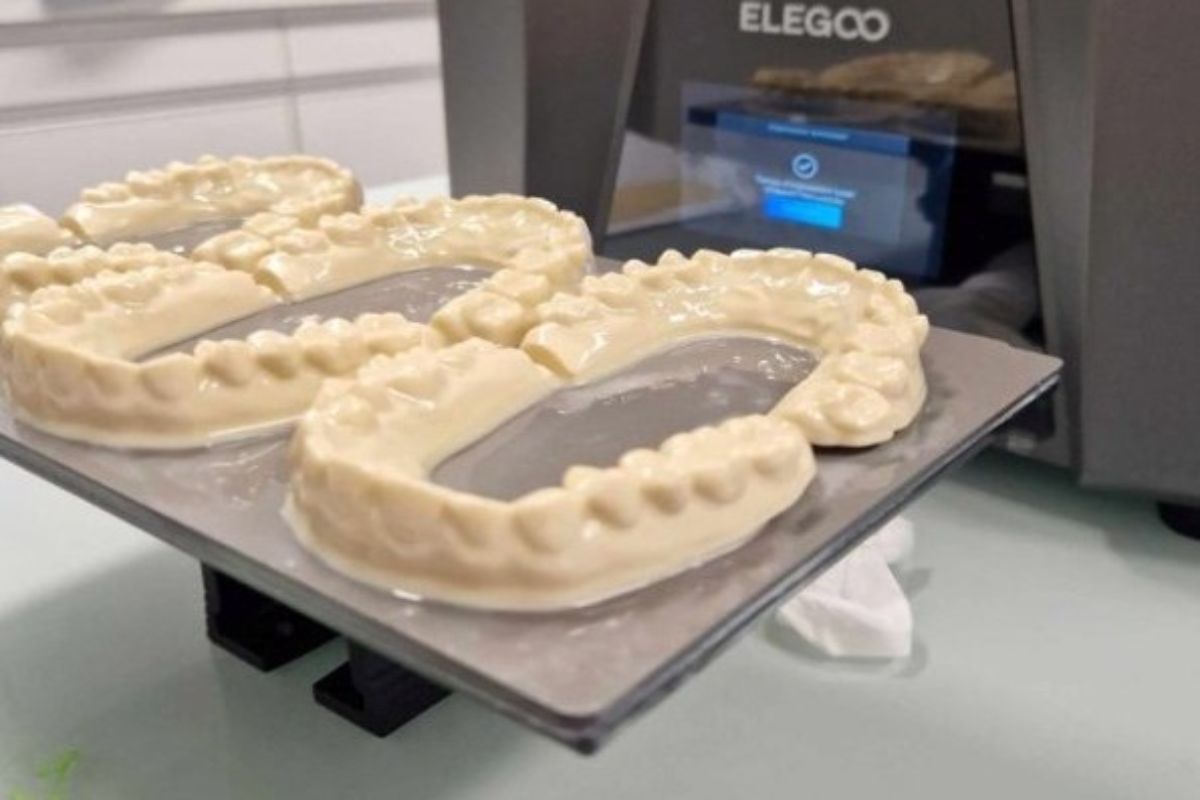
Finding the right adhesion to the build plate often equals a balance act. While you need to avoid poor adhesion of a print to the build plate, sticking too firmly makes the removal challenging, which could lead to damage.
An uneven first layer can cause print defects, which lead to failed prints or poor surface quality. This issue may arise from an improperly levelled build plate, trapped cured resin particles in the vat, or uneven resin distribution.
A first layer that appears too thin or fragile may lead to layer separation and adhesion failures. This problem usually results from an inadequate number of bottom layers, incorrect exposure settings, or an imbalanced Z-offset.
Peeling or warping occurs when the first layer curls up or separates from the build plate. This problem is often due to insufficient bottom layer exposure, an unclean build plate, or environmental factors such as temperature fluctuations.
While 3D printing first layer problems can be manifold, there are quite a few steps you can take to diminish the problems and increase your success rate significantly.
3D printing first layer problems require a precise approach to material selection and printing conditions. RAHN is your 3D printing solutions provider and reliable supply partner. Contact us to find out more about reliable printing solutions for a wide range of applications and industries.
RAHN AG